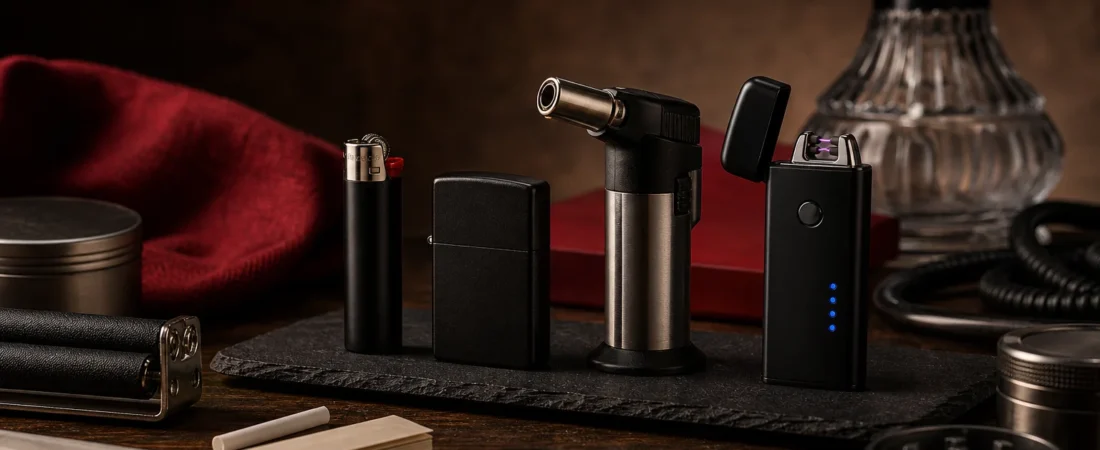
The market today offers a variety of lighters that goes far beyond the classic disposable. Each type is built around a different ignition mechanism, a specific fuel and particular conditions of use. This guide covers the four main categories — refillable gas, petrol, torch and electric arc — so you can compare their features objectively.
Please note: the sale of tobacco products and accessories is strictly reserved for adults aged 18 and over.
1. Refillable gas lighters: the Clipper as the benchmark
The Clipper lighter is the most recognisable representative of this category in Spain. It runs on butane and stands out for several features that have made it a staple of tobacconists:
- Removable flint: the bottom plunger doubles as a tool for packing tobacco in roll-your-own cigarettes, making it particularly popular among rolling tobacco smokers.
- Refillable: it accepts butane gas refills via a standard valve, giving it an indefinite service life.
- Adjustable flame: the flame height can be easily regulated.
- Compact design: its small size and light weight make it comfortable to carry in a pocket.
Refillable gas lighters are the most widely used option thanks to their balance of purchase price, ease of refilling and everyday versatility. The flame is sensitive to wind, so in adverse outdoor conditions it can be less reliable than other alternatives.
2. Petrol lighters: the Zippo tradition
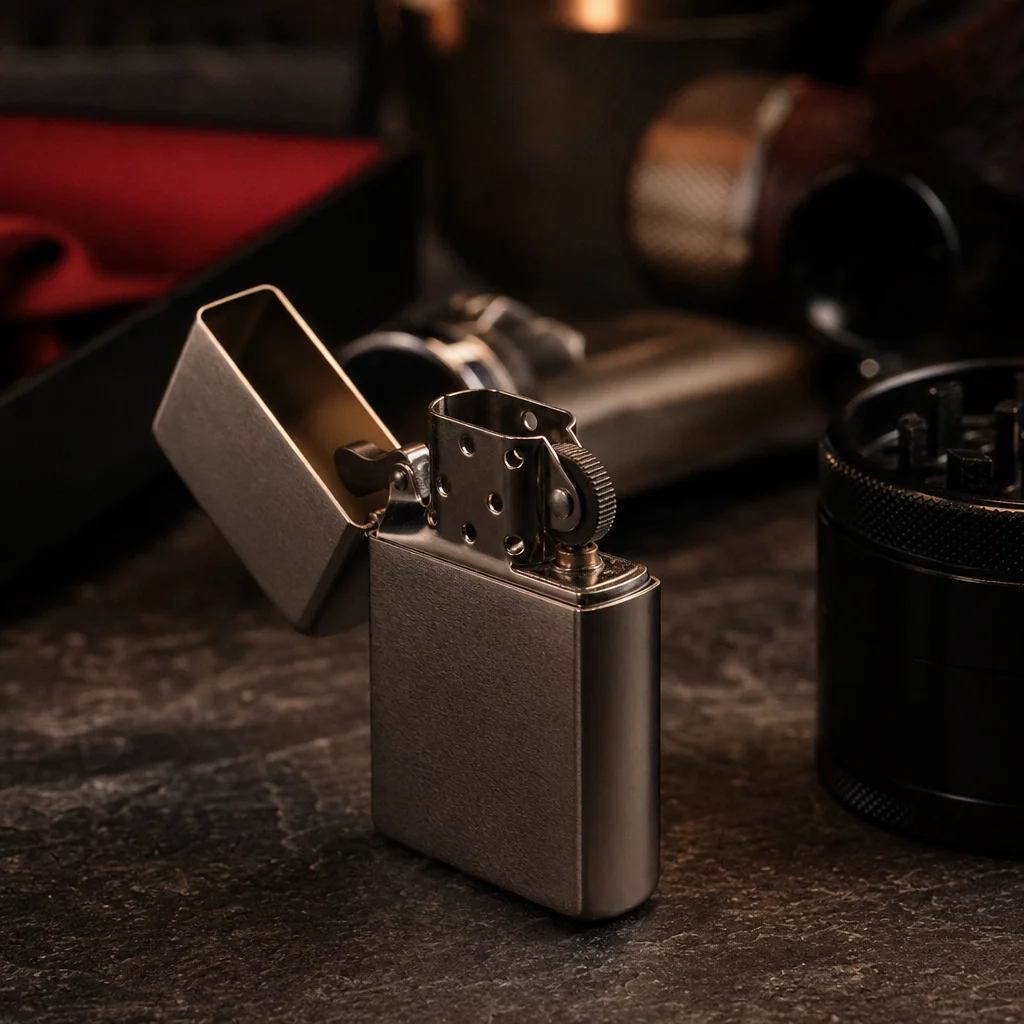
Zippo lighters represent a category of their own in the world of lighters. Their wick-and-flint-wheel mechanism, fuelled by lighter fluid, sets them apart both technically and aesthetically from the rest:
- Metal construction: a metal case with a flip-top lid, instantly recognisable by its distinctive click when opened and closed.
- Wick flame: the wick, soaked in lighter fluid, produces a steady flame that stays lit without the need to hold any button.
- Wind resistance: the wick flame holds up better against moderate air currents compared with conventional gas flames.
- Refilling with specific lighter fluid: it requires the brand’s own fuel or an equivalent; the wick and flint are replaceable parts.
- Collectible value: the wide range of finishes, engravings and limited editions also makes them sought-after collector’s items.
The main thing to bear in mind is that the lighter fluid evaporates over time even when the lighter is not in use, so it is worth refilling fairly regularly if you carry it as your everyday lighter.
3. Torch lighters: a pressurised flame for demanding use
The torch lighter uses butane gas or a butane–isobutane blend, but expels it at high pressure to produce a concentrated, blue, high-temperature flame. Its main features are:
- Directed and wind-resistant flame: the pressure at which the gas is expelled makes the flame virtually immune to wind, making it the preferred choice for outdoor use.
- High temperature: the complete combustion of pressurised gas produces temperatures considerably higher than those of a conventional gas flame.
- Use with cigars: cigar enthusiasts favour the torch lighter because it allows the foot of the cigar to be toasted evenly without imparting any fuel flavour to the tobacco.
- Standard refilling: it refills with butane, just like conventional gas lighters.
- More robust design: they tend to have a bulkier body to house the pressure mechanism.
A torch flame is not the most suitable for lighting thin cigarettes, as its intensity can burn the paper unevenly. Its strength lies in reliability under difficult conditions and precision in applications that require concentrated heat.
4. Electric or plasma arc lighters
Electronic plasma arc lighters are the most recent addition to the market. Instead of fuel, they use a rechargeable battery (normally via USB) that generates a high-temperature electric arc between two electrodes:
- No fuel required: they need neither gas nor lighter fluid; they recharge by connecting to any USB source.
- No flame: the plasma arc produces no visible flame, so wind has absolutely no effect on it.
- Minimal maintenance: with no wick, flint or gas, the only wear components are the battery and the electrodes.
- Charge-dependent battery life: they rely on battery level; if the charge runs out without access to a power source, the lighter is temporarily unusable.
- Modern design: they typically feature contemporary finishes and LED charge-indicator displays.
They are particularly practical for those who prefer not to handle liquid or gaseous fuels and have regular access to USB charging.
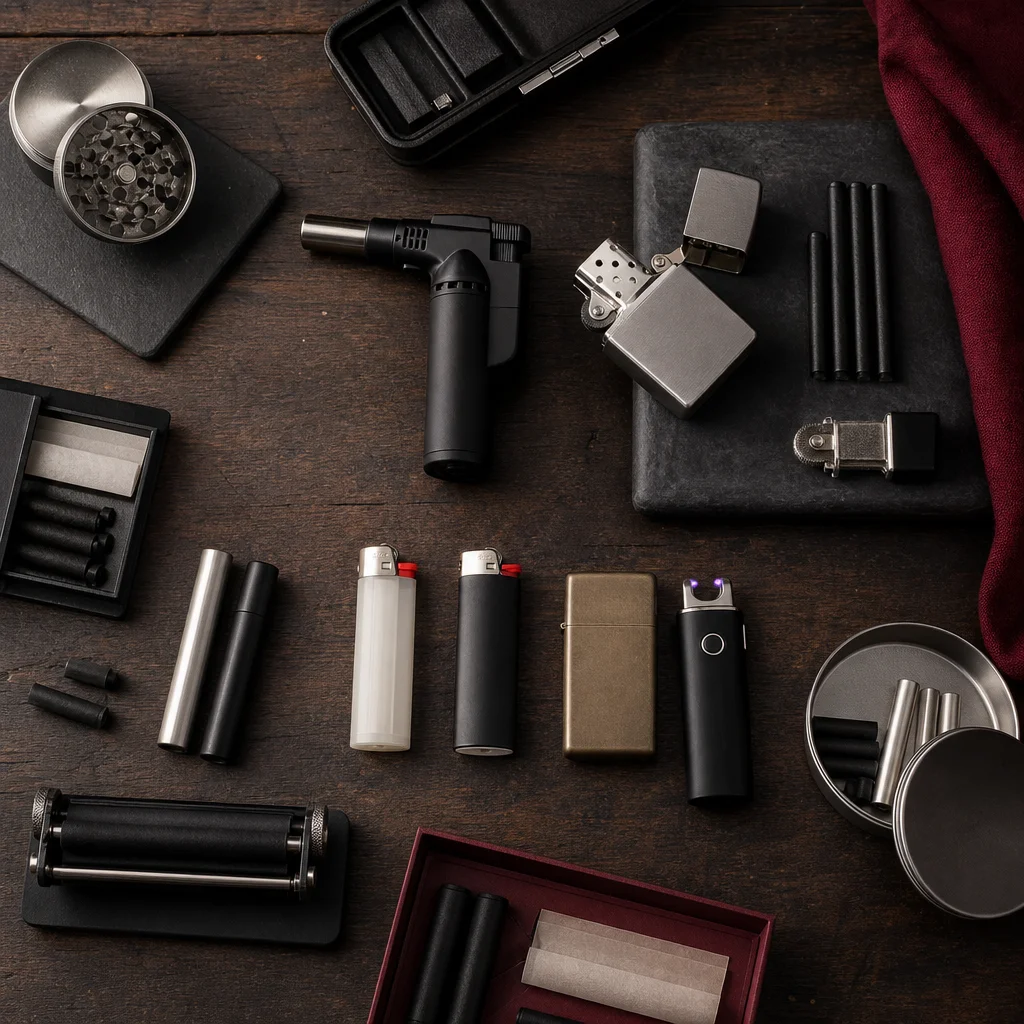
Comparison table: lighter types at a glance
| Type | Fuel / Energy | Wind resistance | Refilling | Typical use |
|---|---|---|---|---|
| Gas (Clipper) | Butane | Low | Butane gas (valve) | Cigarettes, rolling tobacco |
| Petrol (Zippo) | Lighter fluid | Medium | Specific lighter fluid | General use, collecting |
| Torch | Butane / blend | Very high | Butane gas (valve) | Outdoors, cigars |
| Electric / arc | Battery (USB) | Total | USB cable | Urban use, no fuel |
Which one to choose based on your use?
The choice depends primarily on three factors: the environment in which you will use it, the type of product you want to light, and your preference for one refilling system over another.
- For everyday, versatile use, a refillable gas lighter such as the Clipper is the most practical and accessible option.
- If you mainly use a lighter outdoors or in windy conditions, a torch lighter offers the greatest reliability.
- For those who appreciate design, durability and a collectible element, the Zippo petrol lighter is an option with a character all of its own.
- For those who prefer to do away with any kind of fuel and recharge via USB, electric arc lighters are the most modern alternative.
You can browse the full range available in the lighters section of the shop, where you will find models from each of these categories.
Everything you just read, one click away
Frequently asked questions
What types of lighters are there?
The main types of lighters are: refillable gas (such as the Clipper), petrol (such as the Zippo), pressurised torch, and plasma arc electric. Each uses a different fuel or energy source and has distinct characteristics in terms of flame, wind resistance and refilling method.
Which lighter handles wind best?
The torch lighter offers the greatest wind resistance, as it expels gas at high pressure to produce a concentrated, directed flame. Electric arc lighters are also completely unaffected by wind, since they produce no flame at all.
How do you refill a Clipper lighter?
The Clipper refills with butane gas through its standard bottom valve. Simply connect the nozzle of a butane refill canister to the valve and press for a few seconds until the reservoir is full.
What is a torch lighter used for?
A torch lighter produces a high-temperature, wind-resistant flame, making it ideal for outdoor use and for lighting cigars evenly. It is not recommended for thin cigarettes, as its intensity can burn the paper unevenly.
Do electric lighters need gas or lighter fluid?
No. Electric plasma arc lighters run on a rechargeable battery charged via USB cable and require no fuel of any kind. The electric arc generates the heat needed without producing a visible flame.