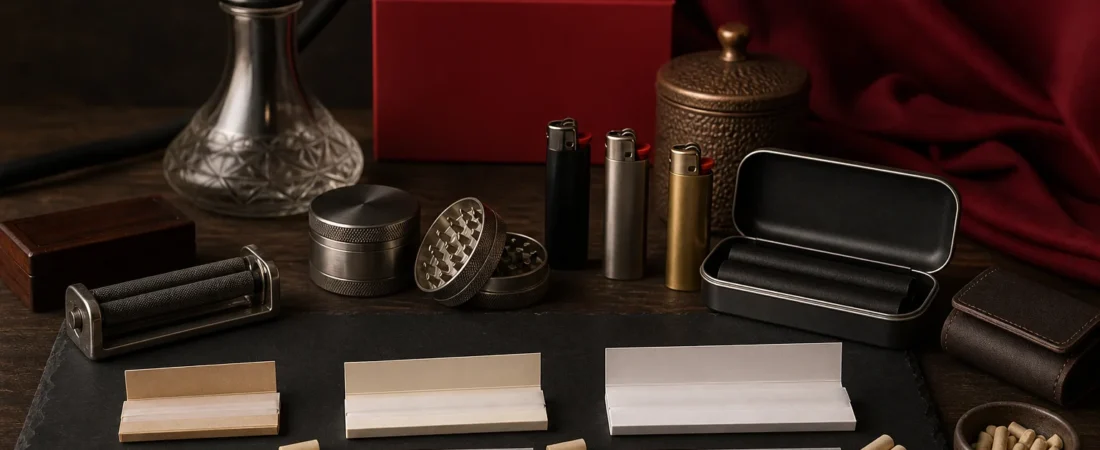
When it comes to rolling papers, one of the most decisive factors when making a choice is the size of the paper. Short, 1¼ or King Size: each format has specific dimensions, a typical use and characteristics that set it apart from the rest. In this guide we run through the differences between the three main sizes so you can identify which one best suits your rolling style.
Please note: the sale of tobacco and accessories is strictly reserved for adults aged 18 and over.
Why does rolling paper size matter?
The size of the paper directly determines how much tobacco fits in each roll, how easy it is to handle and the final result in terms of thickness and length. There is no universally superior format: the choice depends on personal preference, rolling skill and the type of tobacco being used. Understanding the standard dimensions helps you make an informed decision.
Short format: the classic 70 mm
The short paper, also known as single wide in English-language terminology, is the quintessential traditional format. With an approximate length of 70 mm and a width of around 36–37 mm, it produces a compact, small roll comparable in length to a standard factory-made cigarette.
When to choose the short format?
- When you want a compact roll that is easy to carry around.
- For those who already have rolling experience and prefer working with a smaller sheet.
- With fine-cut tobaccos that pack well into a smaller space.
Leading brands in this format include OCB and Smoking. You can browse the options for OCB short rolling papers or, if you prefer the Spanish brand, Smoking short papers, both of which have a long-standing presence in the market.

1¼ format: the balanced 78 mm
The 1¼ size (read as “one and a quarter”) sits in the middle ground between the short and the King Size. Its length is around 78 mm and its width is slightly greater than that of the short format, allowing a marginally larger amount of tobacco without reaching the generosity of the King Size.
This format gained popularity in the United States and has since spread widely across Europe as a highly versatile intermediate option. The wider sheet makes the rolling process easier, particularly for those who are learning or prefer a larger working surface.
When to choose the 1¼ format?
- When the short format feels too small but the King Size seems excessive.
- For those who want greater rolling comfort without significantly increasing the final size.
- With medium-volume tobacco blends or coarser-cut tobacco.
If you’d like to explore this format, the OCB 1¼ rolling papers are one of the most sought-after options in this category.
King Size format: the large one, at around 110 mm
The King Size is the longest of the three formats, with a length of around 108–110 mm and a width similar to that of the 1¼. It allows you to roll a noticeably longer cigarette, and is the preferred choice for those who want greater capacity or simply enjoy a more generous format.
Within the King Size there is also the King Size Slim variant, which retains the same length but reduces the width to produce a narrower, more slender roll. Both variants share the characteristic length of the format but differ in the final diameter of the roll.
When to choose the King Size format?
- When you want a longer roll with greater tobacco capacity.
- For those who roll with longer filters or prefer a result closer to a small cigar.
- With bulkier tobaccos or blends that need more space to distribute evenly.
Standout options in this category include OCB King Size rolling papers and Smoking King Size papers, two of the most popular choices at online tobacconists.

Quick comparison of the three sizes
| Format | Approx. length | Roll profile | Rolling difficulty |
|---|---|---|---|
| Short (Single Wide) | ~70 mm | Compact and short | Requires more practice |
| 1¼ | ~78 mm | Intermediate and versatile | Moderate |
| King Size | ~108–110 mm | Long and generous | Easier thanks to the larger surface |
Other factors to consider beyond size
Size is just one of the selection criteria. When choosing a rolling paper it is also worth considering:
- Material: papers can be made from cellulose, rice or hemp, each with different burn characteristics and textures.
- Weight (gsm): a thinner paper is generally more transparent and delicate; a thicker one is easier for beginners to handle.
- Gum strip: the gummed edge can vary in length and adhesive type, which affects how well the roll seals.
- Booklet format: some booklets come in a standard presentation while others feature a “magnet” or magnetic-closure format for added convenience.
Conclusion: choose your size based on your rolling style
There is no universally correct rolling paper size. The short format is ideal for those after a classic, compact roll; the 1¼ offers a very comfortable middle ground; and the King Size is the go-to option for those who prefer greater length and capacity. Understanding the dimensions and characteristics of each is the first step towards finding the format that best suits your technique and preferences.
Everything you just read, one click away
Frequently asked questions
How big is a short rolling paper?
A short rolling paper, also known as single wide, has an approximate length of 70 mm and a width of around 36–37 mm. It is the most classic and compact of the three main sizes.
What is the difference between 1¼ and King Size rolling papers?
The 1¼ paper measures around 78 mm in length, whereas the King Size is approximately 108–110 mm. The King Size allows you to roll a noticeably longer cigarette with greater tobacco capacity, while the 1¼ offers a more versatile intermediate size.
Which rolling paper size is easiest to roll with?
In general, larger formats such as the King Size offer a greater working surface, which can make the rolling process easier. The short format, being smaller, tends to require a little more practice and skill.
What is King Size Slim and how does it differ from standard King Size?
King Size Slim retains the same length as standard King Size (around 108–110 mm) but has a narrower width, producing a slimmer, more slender roll. Standard King Size is wider and results in a roll with a larger diameter.
Does paper size affect how much tobacco you use?
Yes. The larger the paper, the greater the capacity of the roll and, consequently, the more tobacco it can hold. The short format holds less tobacco than the 1¼, which in turn holds less than the King Size.